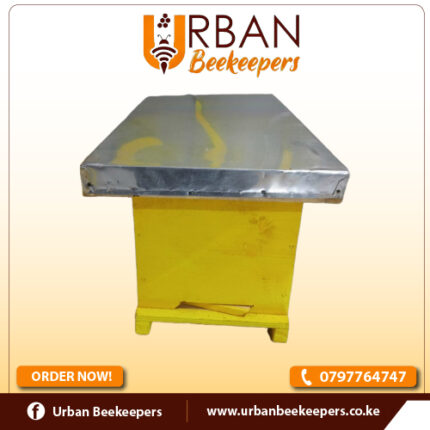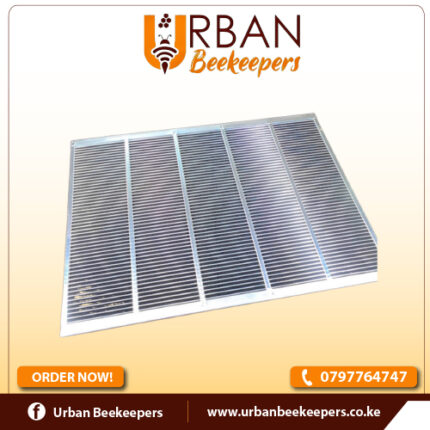






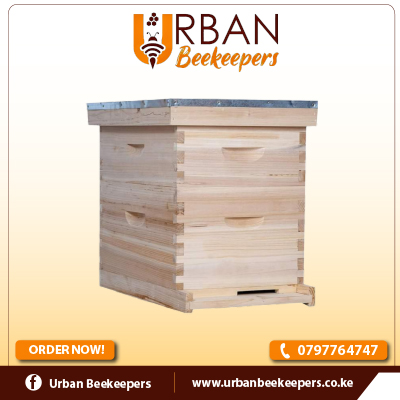
Bee Lemon Grass is a natural swarm attractant used by beekeepers in Kenya to draw wild Apis mellifera swarms into bait hives and bee catcher boxes. The essential oil contains compounds chemically similar to the Nasonov pheromone that scout bees release to signal a suitable new nesting site to a swarm. Applying a small amount near the entrance of a Bee Catcher Box significantly increases the rate of swarm capture during the swarming season.
What Is Bee Lemon Grass?
Bee Lemon Grass is a swarm-luring product used at the colony acquisition stage of beekeeping. It works by releasing volatile compounds from lemongrass essential oil that closely match the chemical profile of the Nasonov pheromone blend used by Apis mellifera scout bees. Scout bees investigating potential nesting sites pick up this scent and interpret it as a site already approved by other scouts, increasing the likelihood of the swarm choosing that location. Reapply every 2 to 3 weeks during the swarming season.
What Is the Price of the Bee Lemon Grass in Kenya?
The Bee Lemon Grass is priced at KSh 800 at Urban Beekeepers in Nairobi. In stock — no lead time. Same-day delivery within Nairobi. Nationwide delivery available to all major towns. Payment accepted via M-Pesa and card. Urban Beekeepers takes bulk orders. Call 0797 764 747 or message via WhatsApp to discuss.
💬 Order Now on WhatsApp — KSh 800
Key Features and Technical Specifications
| Specification | Detail |
|---|---|
| Product Type | Lemongrass essential oil swarm attractant |
| Active Compound | Compounds mimicking Apis mellifera Nasonov pheromone |
| What’s Included | Bee Lemon Grass oil |
| Application | Apply to inside walls and entrance of bait hive or Bee Catcher Box |
| Reapplication | Every 2 to 3 weeks during swarming season |
| Safe For Bees | Yes. Non-toxic and natural. |
| Best Used With | Bee Catcher Box and beeswax comb |
| Price | KSh 800 |
Who Needs the Bee Lemon Grass?
- New Beekeepers: Beekeepers starting their first apiary who want to attract wild swarms rather than purchase colonies, reducing startup costs significantly.
- Expanding Farmers: Commercial farmers who want to increase colony numbers during the swarming season using baited bait hives.
- CBOs and Community Groups: Community beekeeping groups running swarm trapping programmes to populate member farms with free colonies.
- NGOs and County Governments: Development organisations distributing Bee Catcher Box kits to smallholder farmers where Bee Lemon Grass is an essential component.
How to Use the Bee Lemon Grass
- Set up your bait hive. Prepare a Bee Catcher Box or empty Langstroth box. Add a piece of old beeswax comb inside if available as an additional attractant.
- Apply the lemongrass oil. Place 3 to 5 drops of Bee Lemon Grass oil inside the box near the entrance hole. Do not apply directly to any comb. A small amount is more effective than a heavy application.
- Position the bait hive. Place the baited hive at 1.5 to 4 metres above ground in a shaded, protected location near flowering trees or vegetation. Face the entrance away from direct sun and prevailing wind.
- Reapply every 2 to 3 weeks. Lemongrass oil evaporates over time. Reapply every 2 to 3 weeks during the swarming season to maintain attractiveness.
- Monitor for swarm activity. Check every 3 to 5 days. Increased scout bee activity at the entrance indicates interest. A full swarm arrival is clearly visible.
Care and Maintenance
Proper care extends the working life of your Bee Lemon Grass and keeps it performing effectively season after season.
- Store Bee Lemon Grass oil in its original container, tightly sealed, away from direct sunlight and heat. Exposure to heat and UV light degrades the active compounds and reduces effectiveness.
- Keep the bottle upright during storage to prevent oil from contaminating the lid seal. A leaking container wastes product and the scent can attract bees to unintended locations in your storage area.
- Check the oil before each swarming season. Fresh, strongly scented oil is significantly more effective than oil that has been stored open for more than 12 months.
Why Buy From Urban Beekeepers?
- In stock — same-day delivery within Nairobi
- Nationwide delivery to all major towns across Kenya
- Call or WhatsApp: 0797 764 747
- Trusted by commercial farmers, CBOs, and NGOs across Kenya
- M-Pesa and card accepted
Shipping and Delivery
Urban Beekeepers delivers countrywide to Mombasa, Kisumu, Nakuru, Eldoret, Machakos, Kitengela, Kitui, and all major towns across Kenya. Same-day delivery within Nairobi. Call 0797 764 747 to confirm delivery timelines for your location.
Frequently Asked Questions
What is bee lemon grass used for in Kenya?
Bee Lemon Grass is used to bait swarm traps and Bee Catcher Boxes to attract wild bee swarms in Kenya. It mimics the Nasonov pheromone, which scout bees use to signal a good nesting site to the swarm. Beekeepers use it to capture free colonies and expand their apiaries without purchasing new bees.
How much lemon grass oil do I apply to a bee catcher box?
Apply 3 to 5 drops inside the box near the entrance. Too much oil can overwhelm and repel bees. A small, fresh application is more effective. Reapply every 2 to 3 weeks.
Does bee lemon grass attract African bees in Kenya?
Yes. Bee Lemon Grass is effective for attracting Apis mellifera scutellata, the African honey bee common across Kenya. The Nasonov pheromone compounds in lemongrass oil work across all Apis mellifera subspecies found in Kenya.
Can I use bee lemon grass inside an active hive?
Bee Lemon Grass is primarily used to attract swarms to empty bait hives. Some beekeepers apply a very small amount to the entrance of an active hive to reduce forager disorientation after a hive move. Avoid applying large amounts inside an active hive.
Does Urban Beekeepers deliver Bee Lemon Grass outside Nairobi?
Urban Beekeepers delivers countrywide to Mombasa, Kisumu, Nakuru, Eldoret, Machakos, Kitengela, Kitui, and all major towns across Kenya. Same-day delivery within Nairobi. Call 0797 764 747 to confirm delivery timelines for your location.